
The service
Bringing Tired UPVC Back to White
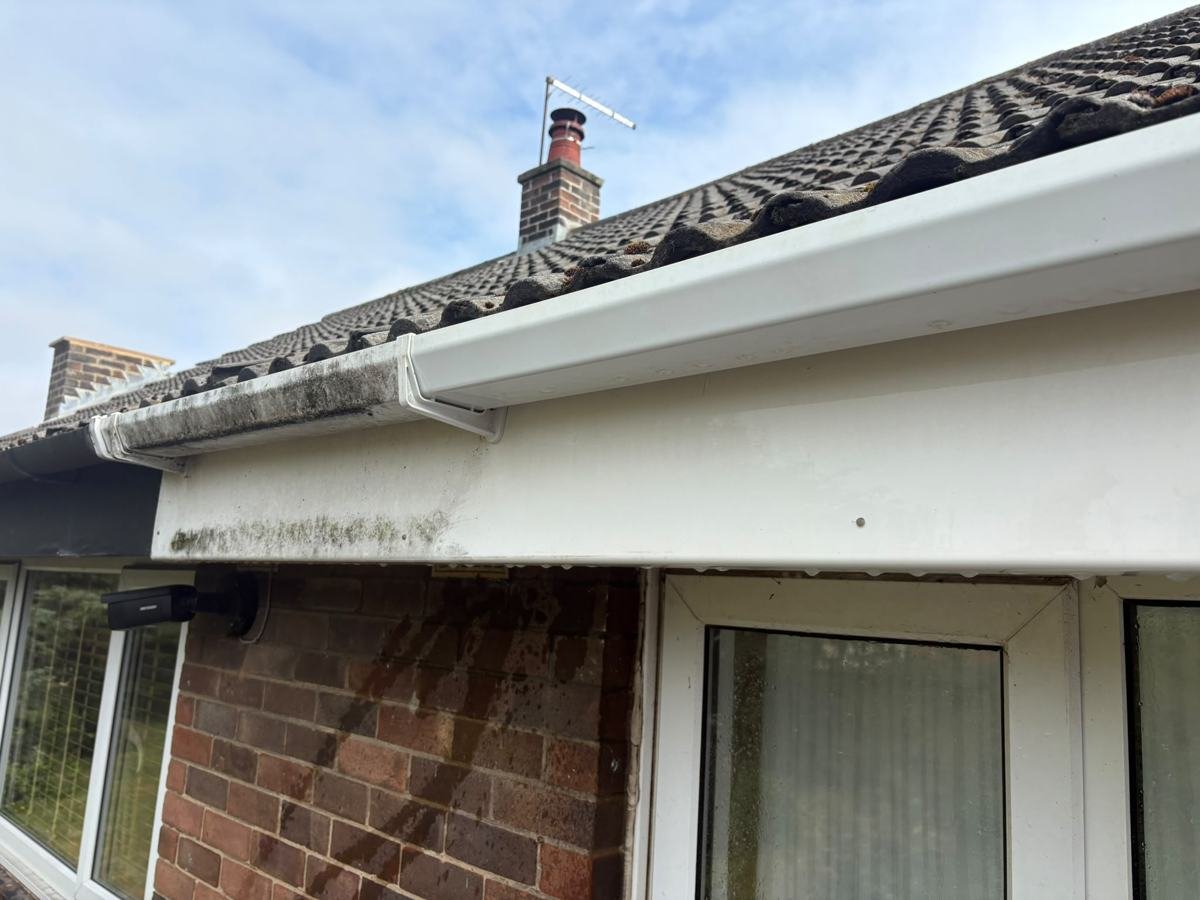
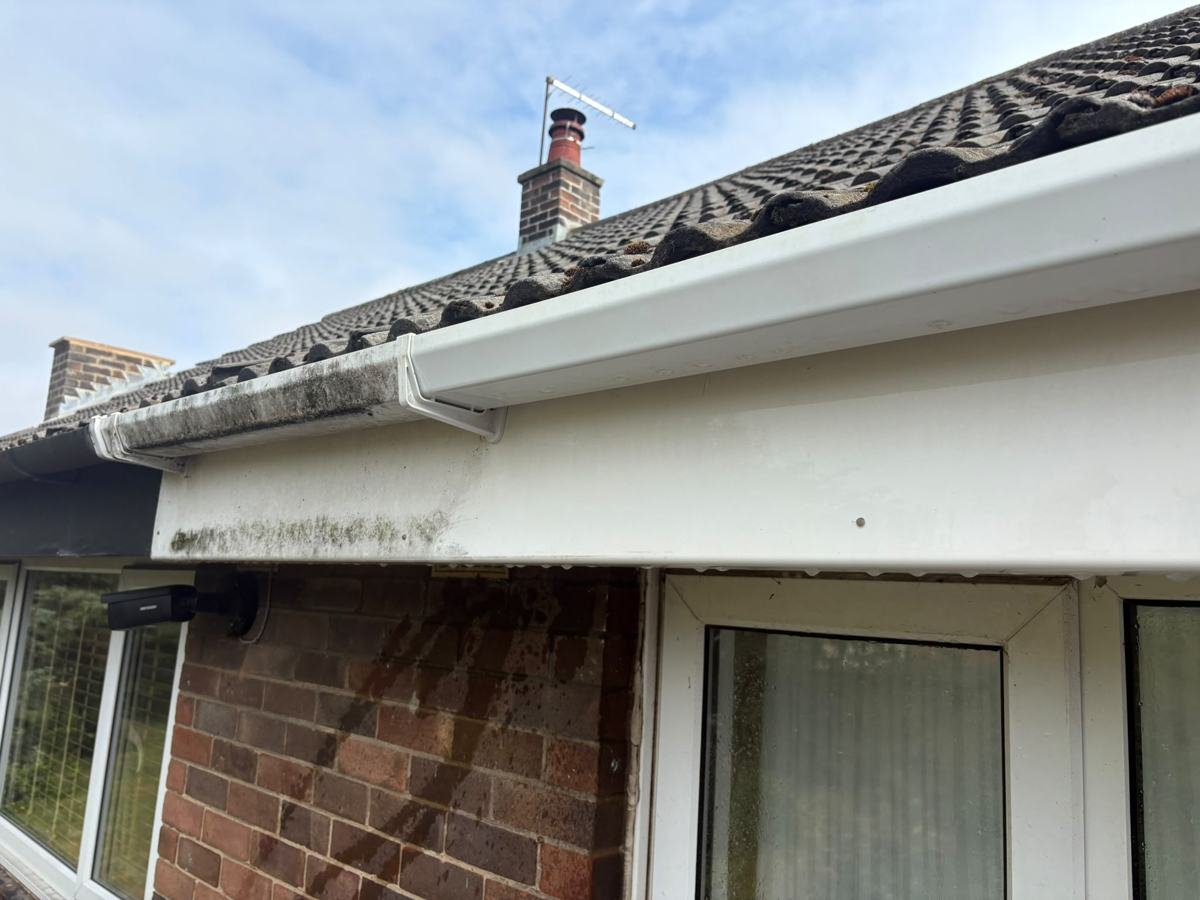
White UPVC yellows and greys over time from sun exposure, traffic pollution and algae, especially on north-facing or coastal properties. ECR uses a soft-wash method that's safe on seals, trims and glazing, with a cleaning solution that lifts ingrained grime and black mould spotting rather than scrubbing at the surface and risking scratches.
The service covers window frames, doors, fascias, soffits and cladding, and conservatory roofs can be included on request. Most customers are genuinely surprised by how much brighter the UPVC looks once the years of build-up are gone, it's one of the quickest ways to lift the whole front of a house.
- Window frames, doors, fascias, soffits and cladding cleaned
- Soft-wash method safe on seals, trims and glazing
- Removes algae, black mould spotting and general grime
- Conservatory roofs cleaned on request
- A noticeably brighter, whiter finish
Common questions
UPVC Cleaning FAQs
What is UPVC cleaning and what does it cover?
UPVC cleaning is a soft-wash process that restores window frames, doors, fascias, soffits and cladding to their original white finish, removing the grey film, algae and black mould spotting that build up over years of weather exposure. A cleaning solution is applied that lifts ingrained grime rather than relying on scrubbing.
Will the cleaning products damage my window seals?
No. Non-abrasive products designed specifically for UPVC are used, which are safe on seals, trims and glazing, so there's no risk to the frames or the weatherproofing around windows and doors.
Can you clean conservatory roofs too?
Yes, conservatory roofs can be included as part of a UPVC clean, bringing back light into the room that's often lost to years of algae and grime build-up on the panels.
How often should UPVC be cleaned?
Once or twice a year keeps frames, doors and fascias looking fresh and stops grime and algae building up to the point where it's harder to shift. North-facing or heavily shaded UPVC tends to discolour faster than surfaces that get regular sun and rain.
How long does UPVC cleaning take?
A standard semi-detached property typically takes around one to two hours, covering windows, doors, fascias and soffits. Larger properties, or ones with a conservatory included, take longer, and the amount of build-up matters too.
Can badly discoloured UPVC always be brought back to white?
Most UPVC responds very well to soft washing, even where it's gone visibly grey or yellow over several years. Genuine UV degradation, where the plastic itself has weakened at a molecular level rather than just gathering surface grime, is less responsive and may show some residual dullness even after cleaning.
What to expect
Before Any of That Starts
A free quote covers windows, doors, fascias, soffits and cladding, with conservatory roofs included on request. Non-abrasive, soft-wash products are used throughout, safe on seals and glazing. Most customers notice a genuinely dramatic difference once years of grey film and algae are lifted from the UPVC.
Why ECR
Why Choose ECR for UPVC Cleaning
Soft-Wash, Not Scrubbing
A cleaning solution lifts ingrained grime and black mould spotting without scratching or dulling the surface.
Safe on Seals and Glazing
Non-abrasive products designed specifically for UPVC protect the weatherproofing around windows and doors.
Whole-House Transformation
Frames, doors, fascias, soffits and cladding cleaned together gives a noticeably brighter, more complete finish.
Ready to Brighten Up Your Windows?
Free, honest quotes on UPVC cleaning across Seaham and County Durham.